almagrosherri

Sexual Assault Prevention & Response-NAS Oceana

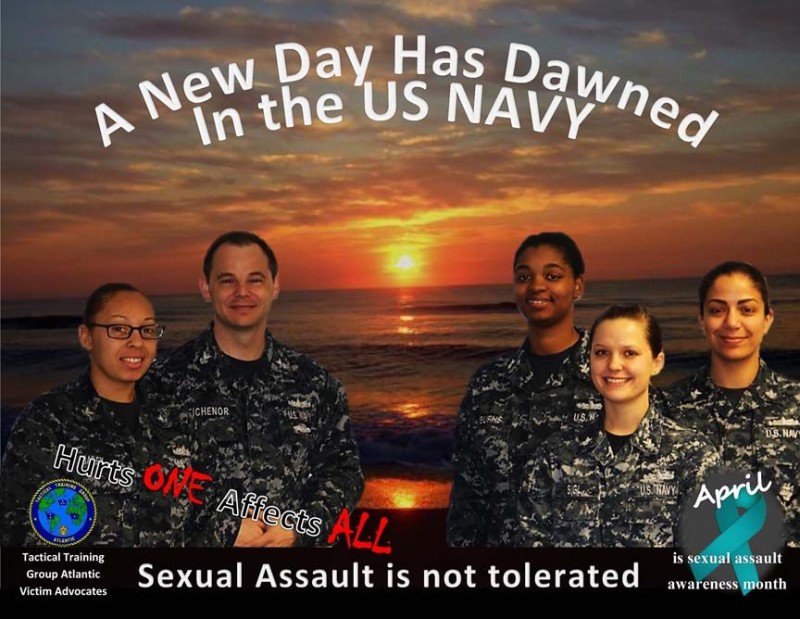
CNRMA has an uncompromising commitment to victim assistance. A healthy culture supports those who make the difficult decision to report a sexual assault crime when it does occur.

Our mission is to provide high-quality services and support to victims and survivors of sexual assault that strengthen their resilience and instill confidence and trust in the reporting process, whether they file a restricted or unrestricted report.

“Sexual assault” is defined as intentional sexual contact, characterized by the use of force, threats, intimidation, abuse of authority, or when the victim does not or cannot consent.

Sexual assault includes rape, forcible sodomy (oral or anal sex), and other unwanted sexual contacts that is aggravated, abusive, or wrongful (to include unwanted and inappropriate sexual contact), or attempts to commit these acts.

“Consent” means words or overt acts indicating a freely given agreement to the sexual conduct at issue by a competent person. An expression of lack of consent through words or conduct means there is no consent.

Lack of verbal or physical resistance or submission resulting from the accused’s use of force, a threat of force, or placing another person in fear does not constitute consent.

A current or previous dating relationship by itself or the manner of dress of the person involved with the accused in the sexual conduct at issue shall not constitute consent.

SAPR Program provides:

  • Victim Advocacy
  • Case Management
  • Training for SAPR POCs and Advocates
  • Command Consultation
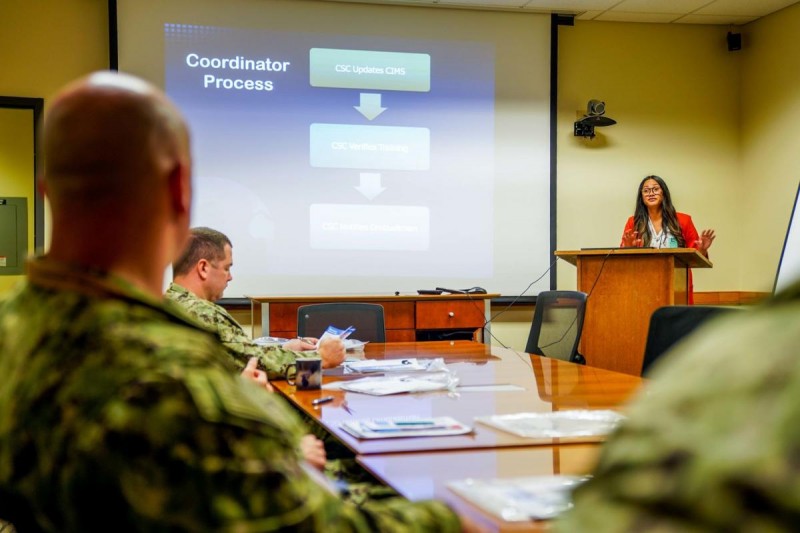
  • Sexual Assault Prevention and Awareness Training (at your work site)
  • SAPR Victim Advocate Refresher Training

Resources:

  • Advocacy
    SAPR Advocate – Civilian and Unit: Provide confidential support, education, and resources to victims of sexual assault under the supervision of the SARC. All SAPR Victim Advocates are nationally credentialed by the National Organization of Victim Advocates. Their qualifications, equal to those in the civilian community, are enhanced by their ability to mobilize military and community resources as needed.SARC: Provide confidential support and coordinates care for a victim of sexual assault throughout the investigation and recovery. All SARCs are nationally credentialed by the National Organization of Victim Advocates. Their qualifications, equal to those in the civilian community, are enhanced by their ability to mobilize military and community resources as needed.
  • Medical
    Sexual Assault Forensic Examiner: A specially-trained medical professional who can conduct a Sexual Assault Forensic Examination and address medical concerns associated with the sexual assault.
  • Mental Health
    Counselors, Psychologist, Social Workers, Psychiatrists
  • Spiritual
    Chaplains: A military member who can provide spiritual advice and counseling to a victim of sexual assault. Communication with a Chaplain is protected and will not be shared. However, Chaplains cannot accept a Restricted Report.
  • Legal
    Military Criminal Investigative Organization (NCIS -UNRESTRICTED ONLY): A Military Criminal Investigation Organization (MCIO) member who is specially-trained on the effects of trauma associated with sexual assault crimes and applies this understanding to investigation techniquesVictim’s Legal Counsel (VLC): An active-duty Judge Advocate who represents a victim of sexual assault by providing legal advice, guidance, and assistance with exercising their legal rights as a crime victim,                                                in a confidential, attorney-client relationship throughout the investigation and prosecution processes

DOD 24/7 SafeHelpline 1-877-995-5247 or SafeHelpline.org for referrals and support

DoD Safe Helpline Self-Paced Online ProgramThis resource is specially designed for Service members who may have been victims of sexual assault or abuse prior to entering military
service but will benefit anyone seeking to strengthen their resilience after trauma. Find it on safehelpline.org or the Safe Helpline app for easy, 24/7 access: https://www.safehelpline.org/building-hope-and-resiliency

DoD Safe HelpRoom Hosting Ongoing Male Survivor Sessions
The DoD Safe Helpline hosts Safe HelpRoom sessions for military men every Sunday from 1300-1500 EST. These sessions provide men with a confidential and anonymous space to connect and share their experiences with other survivors. The Safe HelpRoom is a 24/7 online, secure, and moderated group chat service where military sexual assault survivors can find peer support.  For more information and to join the sessions, please visit www.safehelproom.org

CNRMA Victim Support Services
Installation Sexual Assault Response Coordinator (SARC)

SA Response Coordinator SA Victim Advocate SAPR Unit Victim Advocates Duty Phone
Naval Station Norfolk 757-650-6018 757-438-3504
JEB Little Creek – Fort Story 757-438-3067 757-438-3867 757-438-3455
NAS Oceana / Dam Neck 757-641-6247 757-438-3037 757-438-3260
Norfolk Naval Shipyard 757-402-2566 757-374-9888 757-402-2567
NSAHR – Heqdquarters 757-402-2568 757-402-2571 757-402-2569
NSAHR – Northwest 757-402-2568 757-402-2571 757-803-8621
NSAHR – Portsmouth 757-402-2568 757-402-2571 757-402-2570
WPNSTA Yorktown 757-438-3702 757-263-9145 757-438-4011
Newport News 757-438-3702 757-263-9145 757-438-4011
SCSC Wallops Island 757-438-3067 757-438-3867

Reporting Options:
Under DoD’s Sexual Assault Prevention and Response (SAPR) Policy, Service members and their adult military dependents have two reporting options – Restricted Reporting and Unrestricted Reporting. Under Unrestricted Reporting, both the command and law enforcement are notified. With Restricted (Confidential) Reporting, the adult sexual assault victim can access healthcare, advocacy services, and legal services without the notification to command or law enforcement. Military retiree, DoD civilian, and DoD contractor victims currently may use only Unrestricted Reporting.

  • Unrestricted Reporting: Law enforcement or Chain of Command is notified. Unrestricted reporting starts an official law enforcement investigation, enlists the support of the chain of command.
  • Restricted Reporting: The victim contacts the Sexual Assault Response Coordinator, SAPR Victim Advocate or Healthcare Personnel. This reporting option is confidential and does not trigger an investigation or command involvement.

Sexual Assault Prevention & Response-NAS Oceana Read More »

Prospective Chief Petty Officer Training- NAS Oceana

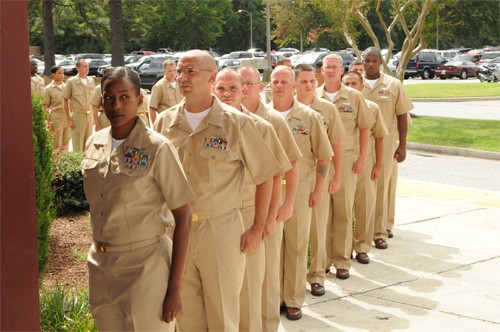
This training will assist Prospective Chief Petty Officers with several of the requirements in support of the MCPON’s CPO 365 Guidance to include Family Advocacy Overview, Sexual Assault Prevention and Response, Suicide Awareness, Operational Stress Control, and an FFSC brief. Early intervention and prevention programs have a direct impact on the quality of life for our Sailors and families and will be of benefit to our future CPOs. Register for this and other classes here.

Prospective Chief Petty Officer Training- NAS Oceana Read More »

Ombudsman Program-NAS Oceana

Most command leaders agree: an effective ombudsman can be a priceless asset. Ombudsmen play a key role in linking commands and families to ensure accurate, timely communication.

FFSC provides training, consultation, and support to command-appointed ombudsmen:

  • Ombudsman Basic Training is required for all ombudsmen.
  • CO, XO, CMC/COB spouses, and Chaplains are also encouraged to attend.
  • Advanced training is provided to address current issues and better prepare ombudsmen for their duties.

The Role of the Command Ombudsman
The Navy Family Ombudsman is vital to the welfare of the command’s families, and in this unique role, as an officially appointed volunteer, the duties are wide-ranging. The Ombudsman has been trained to know when to provide information when to be a referral source and how to be receptive to family members when they call.

Ombudsmen serve as the primary communications link between the families and the command, and the channel of official information from the command to the families.

Disseminate timely and critical information, regularly, through newsletters, care-line/info-lines, telephone trees, and e-mail.

Supply information about and referrals to military and civilian support organizations like, Fleet and Family Support Centers, American Red Cross, Navy and Marine Corps Relief Society, Chaplains, medical facilities, and legal assistance offices. These organizations are valuable resources in obtaining assistance for command family members.

Provide support to family members seeking professional assistance and refer them for counseling. Ombudsmen, in their official role, are not counselors or social workers.

Act as an advocate for the command families, using knowledge of the system, can help access the appropriate level of the chain of command for intervention and forward suitable requests or grievances while exercising confidentiality.

Support command-sponsored groups and activities and advertise support group activities, as permitted by the command.

Navy Ombudsman Basic Training
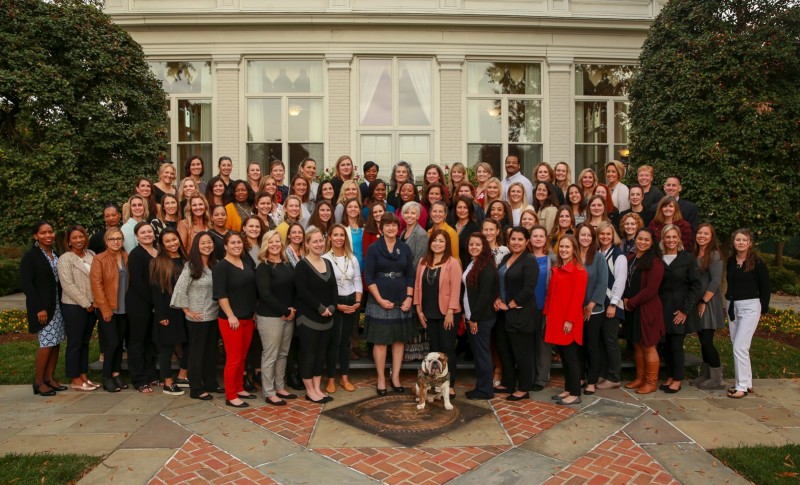
This training consists of 9 modules that help official command ombudsmen and command leadership team members work effectively with their commands. Workshops provide resource avenues for helping families through the crisis and daily living. Open to Ombudsmen, COs, XOs, Chaplains, CMCs, COBs, and their spouses.

Navy Ombudsman Advanced Training
This training provides guidance, additional resources, and training by subject matter experts on various topics to assist with the varied challenges of commands and family members. Both new and experienced Ombudsmen are encouraged to attend.

FREQUENTLY ASKED QUESTIONS

  1. What is the Ombudsman Program?
    It is a command operated program intended to improve communication between the command and a sailor’s family members. Most importantly, it keeps members informed about command policy and the command aware of family concerns. A major function of the Ombudsman is providing information and referral services to the families.
  2. How do I become an Ombudsman?
    You can apply for this position when the command advertises for volunteers or request to be placed on a standby list of volunteers for future consideration when a position(s) becomes available. Volunteers are screened, selected, and appointed by the Commanding Officer. A board, which can include the Command Master Chief, Executive Officer, current Ombudsman, and/ or other command members, as directed, may assist the CO.
  3. What training is provided to the Ombudsman?
    Ombudsman, with command support, receive Ombudsman Basic Training (OBT). OBT is a detailed course that provides the required knowledge and skill development necessary to perform effectively as the Command Ombudsman. Ombudsman continues their education via additional local training.
  4. Is financial support available to Ombudsman?
    The command, budget permitting, may provide supplies, equipment, and reimbursement for such expenses as childcare and mileage.
  5. Will being an Ombudsman help further my spouse’s Navy career?
    One of the best tools in the Navy Family Ombudsman Program Manual. The command is required to provide one to the Ombudsman. If they do not have one in stock, they can contact their supporting Fleet and Family Support Center to obtain one.

Ombudsman Program-NAS Oceana Read More »